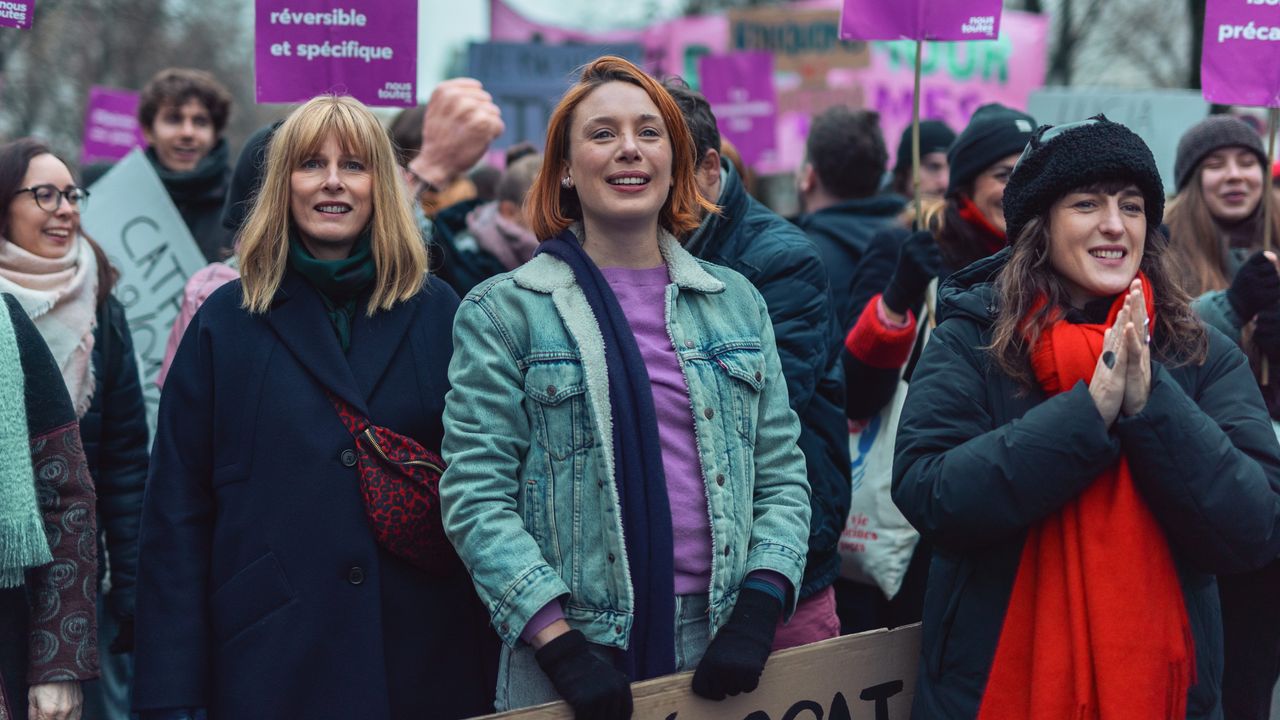
Film La Maison Des Femmes: Inside the Struggle to Build & Sustain Support
The cinematic landscape often serves as a powerful mirror, reflecting societal realities that demand attention. Few films embody this mission as profoundly as Film La Maison Des Femmes. This critically acclaimed French long-feature, directed by Melisa Godet, dives deep into the arduous journey of establishing and maintaining safe havens for women victims of violence. More than just a movie, it’s a vital narrative that underscores the relentless efforts required to offer solace, healing, and a path to reconstruction for those who need it most. By bringing the often-hidden struggles of these essential institutions to the big screen, the film sparks crucial conversations and galvanizes support for the real-world Maisons des Femmes across France.
Inspired by the pioneering Maison des Femmes in Saint-Denis, founded by Dr. Ghada Hatem in 2016, the film meticulously portrays the daily challenges and triumphs within such a center. It masterfully uses fiction, with Karin Viard’s character loosely based on Dr. Hatem, to explore a universal message about resilience, community, and the fight against gender-based violence. The film’s release around International Women’s Day highlighted its immediate relevance, urging audiences to not only witness the harrowing experiences of survivors but also to appreciate the indispensable work of the multidisciplinary teams dedicated to their recovery. If you're looking for an in-depth analysis of its impact, you might be interested in La Maison des Femmes: Why This Film on Women's Violence is Essential.
The Lifeline: Understanding the Mission of a Maison des Femmes
At its core, a Maison des Femmes is far more than just a facility; it is a sanctuary, a multidisciplinary hub designed to provide comprehensive, benevolent care to women experiencing psychological, physical, and/or sexual violence. These centers are built on the foundational principles of welcome, listening, healing, support, and guidance. Their missions are extensive and interconnected, aiming to empower women through every step of their journey:
- A Safe Haven: Offering a dedicated, non-judgmental space for women to feel secure enough to share their experiences.
- Holistic Support: Providing immediate listening and emotional support, crucial for women often isolated by their trauma.
- Reconstruction Journey: Guiding women through a structured process of psychological and physical recovery.
- Network Collaboration: Fostering strong partnerships with hospital units, local associations, legal aid, and social services to ensure a seamless and comprehensive care pathway.
- Prevention and Awareness: Actively engaging in public awareness campaigns and professional training to combat violence against women at a societal level.
The recent presentation at CINE 32, following a sold-out screening of Film La Maison Des Femmes, offered a poignant glimpse into the real-world impact of these centers. Dr. Véronique Lejeune, a gynecologist and Head of the Mother-Child Pole at the Centre Hospitalier d'Auch en Gascogne, eloquently described the mission of Auch's own Maison des Femmes/Santé. Opened in December 2023, this center already welcomed 17 victims within its first few months, a testament to the urgent need for such services even in smaller departments like the Gers, which fortunately benefited from facilitating local support. The team in Auch, like its counterparts, comprises a secretary, nurses, midwives, doctors, a psychologist, and a social worker, ensuring every facet of a woman’s needs is addressed. For more details on this specific institution, read Auch's Maison des Femmes: A Vital Hub for Women's Safety & Care.
Navigating the Obstacles: The Struggle for Establishment and Sustainability
The journey to establish and sustain a Maison des Femmes is frequently fraught with significant challenges, a reality vividly depicted in Film La Maison Des Femmes. The film spotlights the "laborious phases" and "political obstacles" that impede progress, reflecting the real-life struggles faced by dedicated individuals and teams. These hurdles often manifest in various forms:
- Financial Constraints: Securing adequate and stable funding is a constant battle. Operating multidisciplinary centers with specialized staff, medical equipment, and appropriate facilities requires substantial, ongoing investment. The film illustrates how financial instability can threaten the very existence and expansion of these vital services.
- Political and Bureaucratic Hurdles: Navigating complex administrative processes, securing necessary authorizations, and gaining political buy-in can be a slow and frustrating endeavor. The political climate and varying levels of governmental support significantly impact the speed and success of establishment and development.
- Societal Resistance and Stigma: Despite growing awareness, deep-seated societal taboos and a lack of understanding surrounding gender-based violence can still pose challenges. Overcoming stigma is essential for women to feel comfortable seeking help and for the wider community to offer unequivocal support.
- Infrastructure and Expansion Needs: As demand grows, existing facilities quickly become inadequate. The Maison des Femmes in Auch, for instance, despite its recent opening, already finds its current premises "exigus" (cramped), necessitating the rapid development of a new, more spacious and adapted structure set to open later this year. This highlights the continuous need for physical expansion to meet the increasing number of women seeking assistance.
These real-world challenges underscore why the struggle depicted in Film La Maison Des Femmes resonates so deeply. The tireless dedication of professionals like Dr. Lejeune and Dr. Hatem, and their teams, often means pushing past these formidable obstacles to ensure that women in distress have a place to turn.
How You Can Support: Practical Steps for Community Engagement
The powerful message of Film La Maison Des Femmes is not just about witnessing the struggle, but inspiring action. Supporting these vital institutions means recognizing their indispensable role and contributing to their continued operation and growth. Here are practical ways individuals and communities can help:
- Financial Contributions: Donations are crucial for operational costs, staff salaries, and especially for infrastructure expansion. The Maison des Femmes in Auch has launched an appeal for donations to fund its new, larger facility. Information on how to contribute is typically available on their websites or social media channels. Even small, regular contributions can make a significant difference.
- Volunteer Your Time and Skills: Many Maisons des Femmes welcome volunteers who can assist with administrative tasks, organize awareness events, or provide specialized skills (e.g., legal aid, psychological support, if qualified and screened). Contact your local center to inquire about volunteer opportunities.
- Raise Awareness: Share information about the Film La Maison Des Femmes and the mission of these centers within your networks. Speak out against gender-based violence, challenge harmful stereotypes, and advocate for stronger protections and support systems for women. Attending film screenings, discussions, and public events related to women's rights can amplify these messages.
- Advocate for Policy Change: Support organizations that lobby for increased governmental funding, improved legal frameworks, and comprehensive public health policies addressing violence against women. Your voice, combined with others, can influence political decisions.
- Know the Contact Information: Be aware of and share the contact details for your local Maison des Femmes. For the Maison des Femmes in Auch, located at Allée Clarac, Centre Hospitalier d'Auch en Gascogne, you can reach them by phone at 05 62 61 37 28 or email at mdf@ch-auch.fr. They are accessible by phone Monday to Friday from 9 am to 5 pm (excluding public holidays), and offer walk-in appointments every Friday from 9 am to 5 pm. Knowing this information can be life-saving for someone in need.
By engaging actively, we become part of the solution, helping to alleviate the burdens faced by these centers and reinforcing the message that no woman should suffer in silence. The collective effort can transform struggles into successes, ensuring that every Maison des Femmes can continue to be a beacon of hope and healing.
The journey depicted in Film La Maison Des Femmes is a stark reminder of the battles fought daily to protect and empower women. From the initial vision of a safe space to the ongoing fight for resources and expansion, the film beautifully encapsulates the resilience of both survivors and caregivers. The burgeoning network of Maisons des Femmes across France, like the one in Auch, stands as a testament to this unwavering commitment. These institutions are not just buildings; they are vital arteries of support, offering multidisciplinary care and a pathway to renewed lives. The film serves as a powerful call to action, urging us all to recognize the critical importance of these centers and contribute, in any way we can, to their sustainability and growth. By doing so, we help ensure that the struggle to build and sustain support for women victims of violence continues to yield profound, life-changing results.